skip to main contentskip to navigation
Biomedical Science & Technology

Biomedical Science & Technology - Two Year Program

The Biomedical Science & Technology program is an advanced, hands-on pathway for students interested in biology, biotechnology, and health sciences. Over two years, students gain both academic knowledge and real-world lab experience while earning substantial college credit through Southern New Hampshire University (SNHU) and Great Bay Community College (GBCC).

Year 1

Biomedical Science & Technology Year 1 introduces students to the foundations of biology, biotechnology, and public health through hands-on experiments and real-world lab skills. Students will explore genetics, microbiology, and epidemiology while earning dual enrollment college credit through Southern New Hampshire University (SNHU).

Year 2

Year 2 of the Biomedical Science & Technology program builds on first-year knowledge with a deeper focus on molecular biology, DNA technology, and advanced biotechnology techniques. Students gain both academic and lab-based experience while earning additional college credits from Great Bay Community College and Southern New Hampshire University.
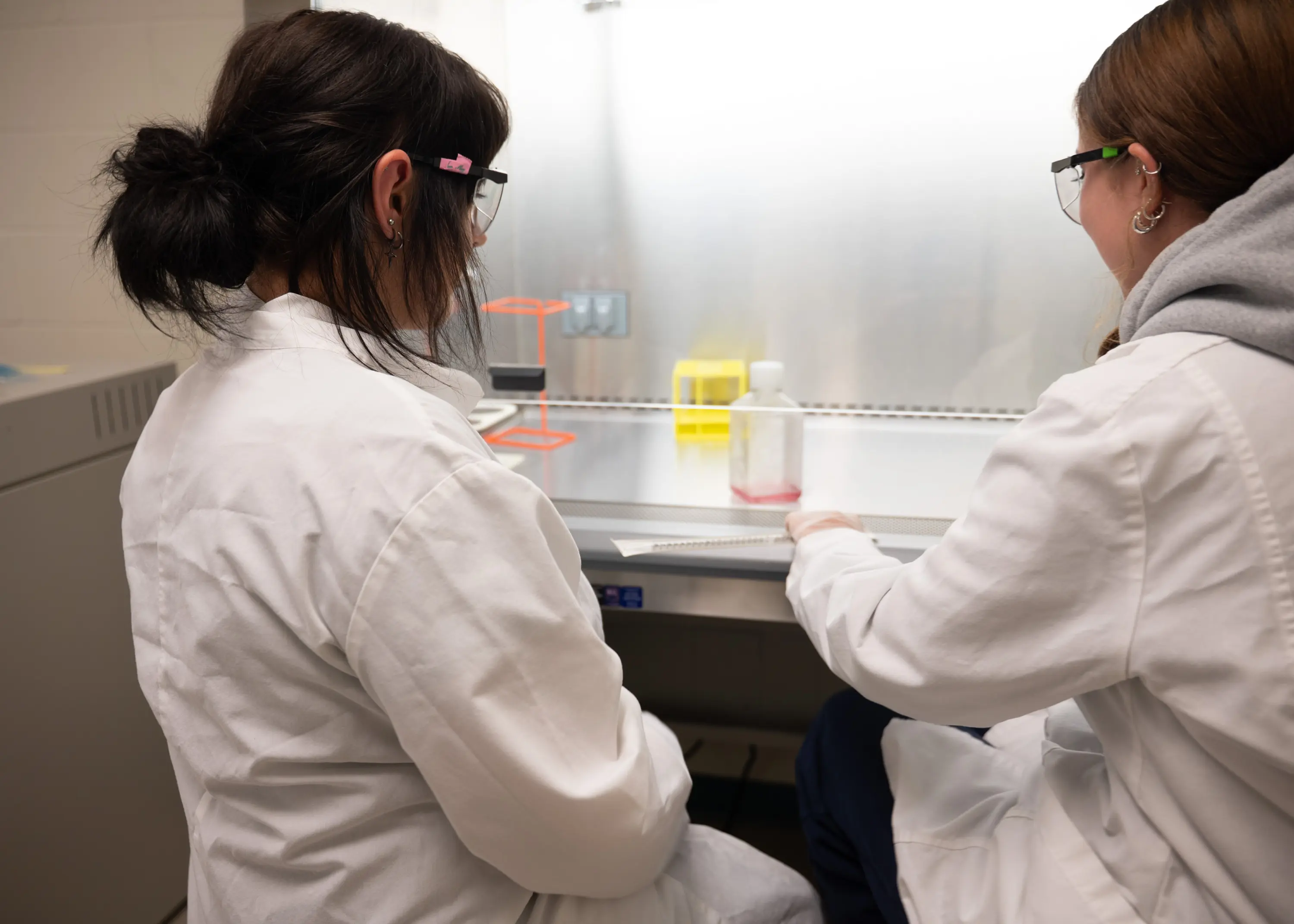
Biomedical Science students working in the lab
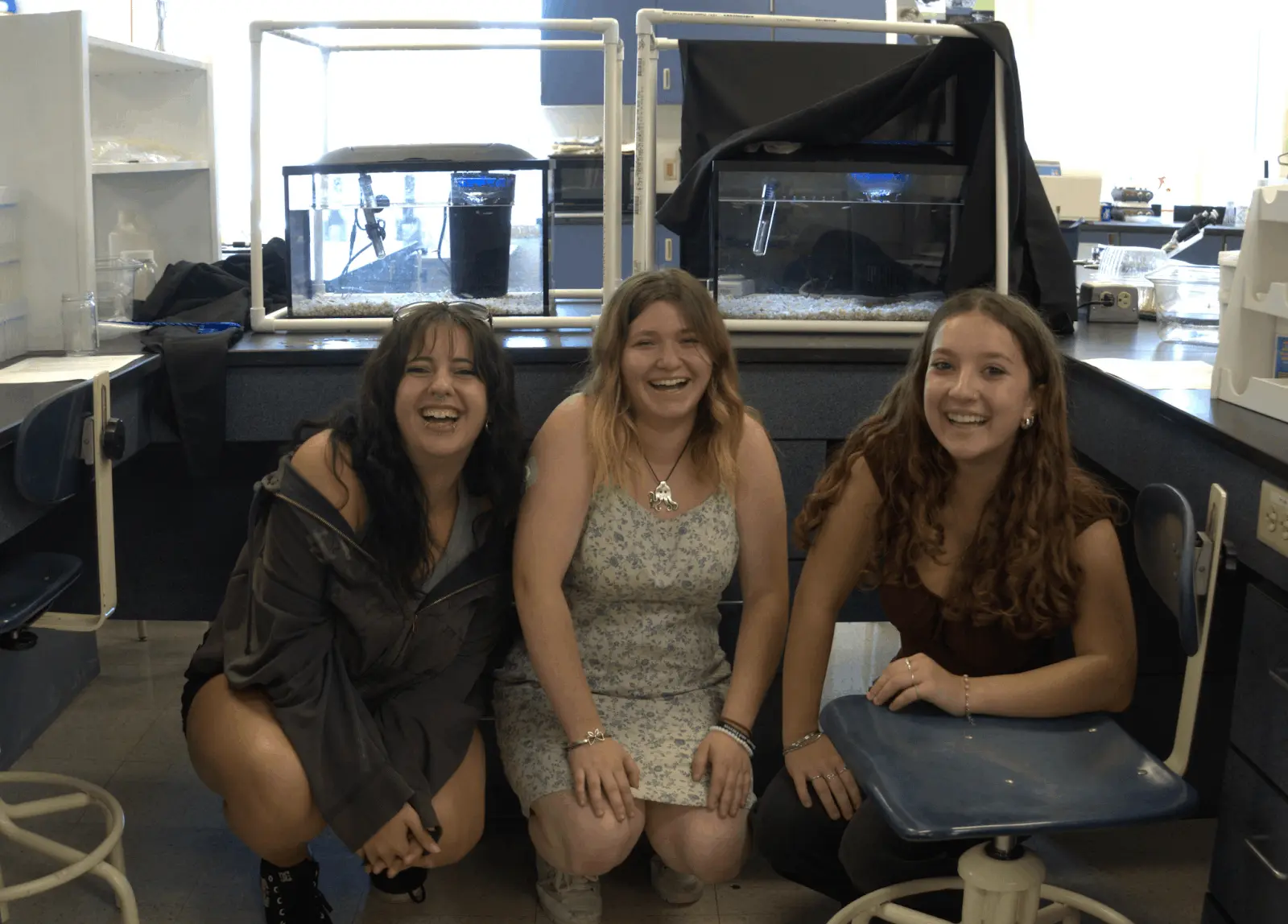
Biomed students in lab

Program Highlights

College Credit Opportunities

  • Year 1 Fall:

    • SNHU BIO 120 – General Biology I (3 credits)
    • SNHU BIO 120L – General Biology I Lab (1 credit)
  • Year 1 Spring:

    • SNHU BIO 215 – People, Places & Plagues (3 credits)
  • Year 2 Fall:

    • GBCC BTEC 105 – Introduction to Biotechnology (4 credits)
  • Year 2 Spring:

    • SNHU BIO 121 – General Biology II (3 credits)
    • SNHU BIO 121L – General Biology II Lab (1 credit)

Certifications:

  • Certificate in Leadership (Coca-Cola)
  • Cell Culture Certification (Gibco)
  • Biotechnology (Precision Exam)

Hands-On Learning Includes:

  • Growing and experimenting with live cancer cells
  • Designing toxicology studies using water fleas as model organisms
  • Using centrifuges to separate mixtures like blood
  • Performing gel electrophoresis to analyze DNA
  • Solving outbreak scenarios with real-world lab methods

Advanced Learning Includes:

  • DNA replication and amplification using PCR
  • Genetic engineering techniques: transferring DNA between organisms
  • DNA and protein purification
  • Testing for GMOs and sequencing mitochondrial DNA
  • Simulating real-world forensic investigations and medical research
Biomed students in lab

Spotlight